
THC Drinks vs Edibles: Which Should You Choose?
Introduction — Two Smoke-Free Paths to the Same Destination
Cannabis consumption has moved well beyond the choice between smoking and not smoking. Today the real decision for a lot of people is between a THC drink and a traditional edible — a gummy, a chocolate, a baked good. Both skip combustion entirely. Both deliver a longer, often more body-focused experience than inhaled cannabis. And both have loyal followings for good reason.

But they’re not interchangeable, and the differences matter more than they might seem at first glance. From how fast you feel anything to how predictable that feeling turns out to be, choosing between a can of THC-infused soda and a bag of gummies comes down to understanding how each one actually moves through your body.
How THC Drinks Work in the Body
THC beverages are absorbed primarily through the digestive tract, similar to edibles, but many modern formulations — including nano-emulsified THC — are engineered to be absorbed faster than a solid edible. The THC particles are broken down into a smaller size before bottling, which allows your body to begin absorbing them more quickly once you drink.
This doesn’t make a THC drink identical to smoking or vaping in speed, but it does close the gap somewhat compared to a standard gummy or brownie, which has to work through digestion in a more traditional, slower way before the cannabinoids reach your bloodstream.
How Traditional Edibles Work in the Body
A traditional edible — the kind that’s been dominant in the cannabis space for years — has to be broken down by your stomach and processed by your liver before THC becomes active in a form your body can use. This liver conversion process changes the THC into a different compound that’s actually more potent and longer-lasting than what you’d get from smoking, which is part of why edibles have a reputation for hitting harder and lasting longer than people expect.
The tradeoff is time. This full digestive process can take anywhere from 45 minutes to two hours before you feel anything meaningful, which is longer and less predictable than most beverage formats.
Onset Time: The Biggest Practical Difference
If there’s one factor that separates these two categories more than any other, it’s how long you wait to feel something. THC drinks generally land in the 20 to 45 minute range for most people, depending on body composition and whether you’ve eaten. Traditional edibles often take longer — sometimes up to two hours — and the timing can vary more from person to person and even day to day for the same person.
This matters practically. If you’re planning your evening around when the effects kick in, a beverage gives you a more predictable window to work with. Edibles require more patience and more buffer time, which is part of why so many first-time edible users make the classic mistake of taking a second dose too early, not realizing the first one just hasn’t hit yet.
Dosing Control and Predictability
Both formats can be precisely dosed, but the experience of controlling your dose differs. A THC drink lets you sip gradually and stop whenever you feel the effects you’re looking for — you’re not committed the moment you take the first sip the way you are with an edible, where the entire dose is consumed at once and there’s no taking it back.
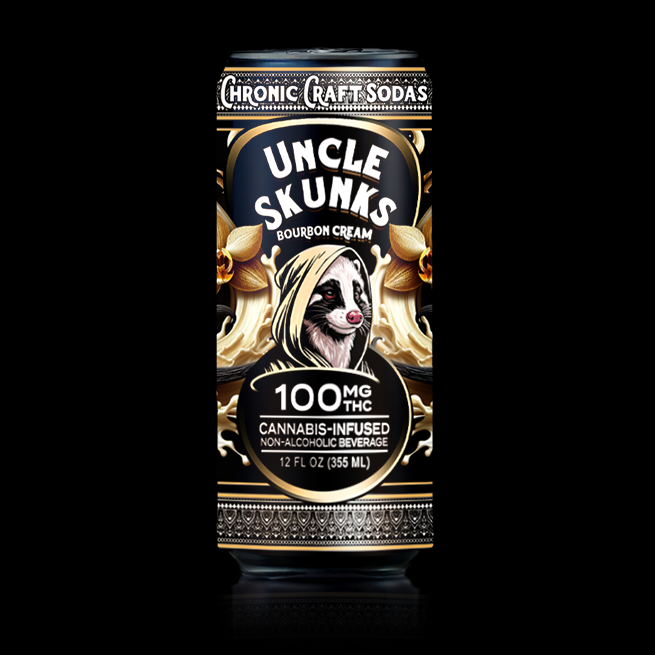
For people newer to cannabis or anyone who wants finer control over how much they end up consuming in a session, this incremental sipping approach is a real advantage. Options like a 10mg format make that gradual approach even easier, letting you pace a can over the course of an hour rather than committing to a full dose all at once.
Social Settings: Which Format Fits Better
THC drinks tend to integrate more naturally into social settings that already revolve around beverages — dinners, hangouts, watching a game, casual get-togethers. Holding a can and sipping periodically fits the existing social rhythm of these situations in a way that eating a gummy from a bag doesn’t always replicate.
Edibles, on the other hand, are often the more discreet and portable option for situations where a drink isn’t practical — traveling, outdoor activities, or settings where you’d rather not be seen holding a beverage at all. Neither format is universally better socially; it depends heavily on the specific setting you’re in.
Daily Life Use Cases
For evening wind-down routines, a lot of people find a single beverage fits naturally into the same slot a glass of wine or a beer used to occupy — a can with dinner, a can while unwinding in front of a show. The ritual of drinking something is part of the appeal, not just the effect itself.
Edibles tend to work better for situations where discretion or portability matters more than ritual — tucked into a bag for later, taken without needing to be somewhere with a fridge or a place to set a can down. Both fit into daily life, just different parts of it.
Digestion, Food, and Timing Quirks
Food matters for both formats, but in slightly different ways. Taking either on an empty stomach tends to speed up onset and can intensify the experience, sometimes uncomfortably so for less experienced users. Taking either with a meal slows absorption and can extend the overall timeline before you feel the full effect.
One thing worth knowing: THC drinks are somewhat more forgiving here because the sipping pace naturally self-regulates the experience — you can gauge how you’re feeling as you go and simply stop. With a solid edible, the entire dose is committed upfront regardless of what else is happening in your stomach.
Flavor, Format, and the Experience Itself
There’s also a simpler, more personal factor: which one do you actually enjoy consuming? THC drinks come in genuinely craveable soda-style flavors — a lineup that spans everything from classic cola profiles to a build-your-own flavor bundle — and for people who like the ritual of drinking something cold and flavorful, that format itself is part of the draw. Edibles offer their own appeal through candy and chocolate formats that some people simply prefer.
Neither is objectively better here. It comes down to whether you’re someone who reaches for a drink or a snack when you want to unwind, and matching your cannabis format to that existing preference tends to make the habit stick better either way.
Making the Right Choice for Your Routine
If predictable timing, gradual dosing, and a beverage-based social ritual matter most to you, THC drinks are likely the better fit. If portability, discretion, and a stronger, longer-lasting effect from a single dose matter more, traditional edibles might serve you better. Some people genuinely use both, depending on the day — a can of Uncle Skunks for a relaxed evening at home, an edible tucked away for a day when a beverage isn’t practical.

What Responsible Use Looks Like for Either Format
Whichever format you choose, a few habits carry over regardless of whether you’re drinking or chewing your way to an effect. Always start lower than you think you need, especially the first few times you try a new product or a new brand, since potency and personal tolerance vary more than people expect. Wait out the full onset window before deciding you need more — this single habit prevents the overwhelming majority of uncomfortable cannabis experiences, whether the format is a beverage or an edible.
Keep both formats stored securely and clearly labeled, particularly in a household with other adults or anyone who might mistake a flavored can or gummy for a regular snack or drink. And never drive or operate machinery after consuming either one — the effects of a THC beverage or edible can last considerably longer than most people anticipate, well beyond the point where the initial “peak” feeling has faded. Reading through the full usage guidance on any product page before your first try, including the options across Uncle Skunks’ full lineup, is a simple habit that goes a long way toward keeping the experience a positive one.
Conclusion — There’s No Wrong Answer, Just a Better Fit
THC drinks and traditional edibles are solving the same basic need — a smoke-free, longer-lasting cannabis experience — through two genuinely different mechanisms. Drinks tend to offer faster, more predictable onset and easier incremental dosing. Edibles offer portability, discretion, and a format some people simply prefer. The better choice isn’t universal; it’s whichever one matches your body, your schedule, and the moment you’re trying to fit cannabis into.
A Final Word on Personal Trial and Error
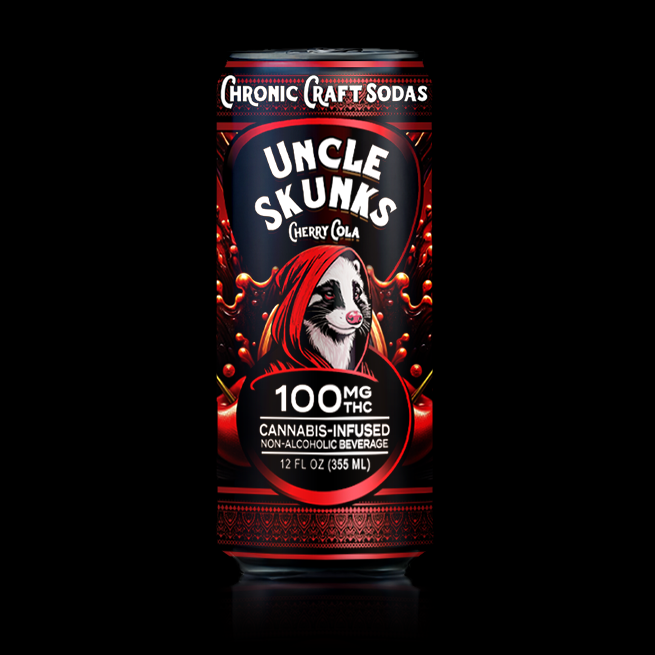
No amount of comparison reading replaces actually trying a format yourself and paying attention to how your own body responds. Metabolism, past cannabis experience, and even what you ate that day all shape how either format feels in practice, sometimes more than the general differences between the categories themselves. Give yourself permission to experiment with both over a few separate occasions, rather than deciding permanently based on a single, possibly unrepresentative first try. Starting with a lower-dose option from Uncle Skunks’ 10mg lineup is a sensible way to run that experiment without overcommitting to a stronger dose before you know how either format actually sits with you. Give each session a fair, undistracted evaluation, and resist the temptation to judge a format based on a single rushed or poorly timed try.
FAQs
Do THC drinks really work faster than edibles?
Generally, yes. Many THC beverages use nano-emulsified THC, which is processed by the body faster than the THC in a standard solid edible, though individual factors like metabolism and food intake still play a role.
Can I stop drinking partway through a THC beverage if I feel enough?
Yes, and this is one of the practical advantages of the format. Sipping gradually lets you gauge the effects as you go and stop once you’re where you want to be, rather than committing to a full dose all at once.
Which is stronger, a THC drink or a traditional edible at the same dose?
Milligram for milligram, they can produce a comparable effect, but traditional edibles are sometimes described as feeling more intense or longer-lasting because of how the liver processes THC from solid food differently than from a beverage.
Is it okay to take a THC drink on an empty stomach?
It’s generally fine, but effects will come on faster and can feel stronger. If you’re newer to THC beverages, it’s usually more comfortable to have some food beforehand and start with a lower dose like a 10mg option.
Can beginners start with THC drinks instead of edibles?
Yes. Many beginners actually find drinks easier to manage because of the gradual, sip-based dosing, which offers more real-time control than committing to an entire edible at once.
Do THC drinks and edibles show up the same way on a drug test?
Yes. Both formats deliver THC that metabolizes similarly in your body, and both can result in a positive drug test regardless of which format you use or how mild the dose felt.
Can I mix a THC drink with alcohol at the same event?
This isn’t recommended. Combining THC with alcohol can intensify and unpredictably amplify the effects of both, making it harder to gauge how you’re actually feeling as the evening goes on.