
THC Drinks vs. Traditional Edibles: What's the Difference and Which One Fits Your Lifestyle?
Introduction — Cannabis Beyond the Brownie
For most of cannabis history, the edible meant one thing: a food product, usually sweet, usually baked, containing an imprecise amount of THC that took an hour to hit and another two hours to tell if you'd taken too much. The cultural memory of the "bad edible experience" is practically a genre of its own — and it's mostly a story about poor dosing information and no ability to titrate.
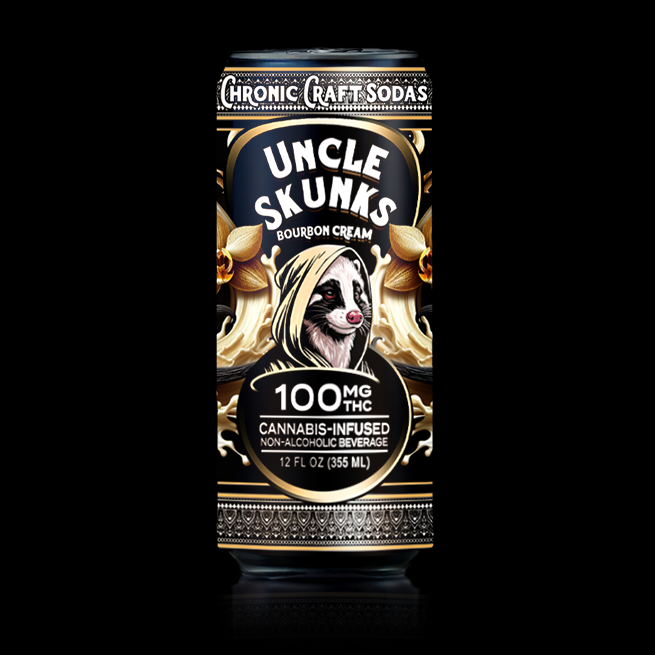
The cannabis beverage category was built, in part, to solve this problem. THC-infused drinks offer a fundamentally different consumption experience: faster onset, cleaner ingredient profiles, better dosing precision, and a format that integrates naturally into daily life in a way that a medicated brownie sitting in your desk drawer does not.
If you're already familiar with the THC beverage category but want a clear picture of how different formats — sodas versus shots, for example — compare against each other, the THC soda vs. THC shots guide on the Uncle Skunks blog is a useful companion to this one.
How THC Drinks and Edibles Work Differently in the Body
Both products deliver THC through the digestive system, which means both require the liver to convert delta-9-THC into 11-hydroxy-THC — a metabolite that is more potent and longer-lasting than the original compound. This is why edibles, as a category, produce a different experience than inhalation.
However, the key difference between beverages and solid edibles lies in the nature of the medium. Liquids pass through the stomach and begin absorption more quickly than solid food, which requires mechanical and enzymatic breakdown before the active compounds can reach the bloodstream. Nano-emulsified or water-soluble THC formulations — increasingly common in the beverage category — accelerate this further by making the THC molecule compatible with water-based digestion, bypassing some of the fat-solubility constraints that slow edible absorption.
The result is a meaningful difference in experience that anyone who has compared the two will recognize immediately.
Onset Time: The Biggest Practical Difference
Traditional edibles: 45 minutes to 2 hours. This is the range that creates the majority of edible-related overconsumption incidents. Someone consumes a 10mg gummy, feels nothing after 40 minutes, decides it isn't working, takes another, and 90 minutes later is profoundly more elevated than intended.
THC beverages: 15–45 minutes for most people, depending on hydration, body composition, and whether they've eaten recently. This faster, more predictable window gives the consumer much better feedback about whether the dose is working. The detailed breakdown of THC soda onset timing explains the variables that affect this range and how to work with them rather than against them.
The onset difference has direct lifestyle implications. Planning an evening activity, a social gathering, or a specific relaxation window is much more manageable when you have a 20–30 minute onset versus a 60–120 minute one.
Dosing Accuracy and Control
Traditional edibles have improved significantly on this front, but the category still has a precision problem. Even lab-tested, commercially produced edibles can have meaningful variation in THC distribution across individual pieces — particularly in baked goods and chocolates where the infusion is not always perfectly homogeneous.
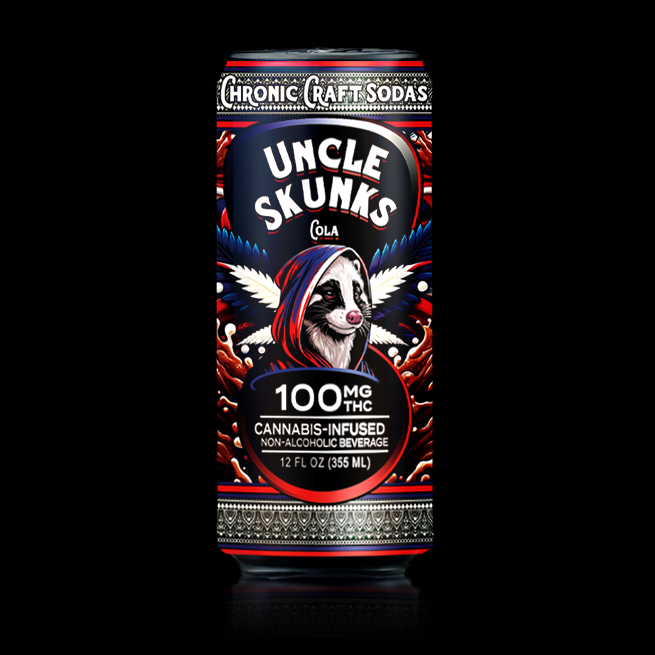
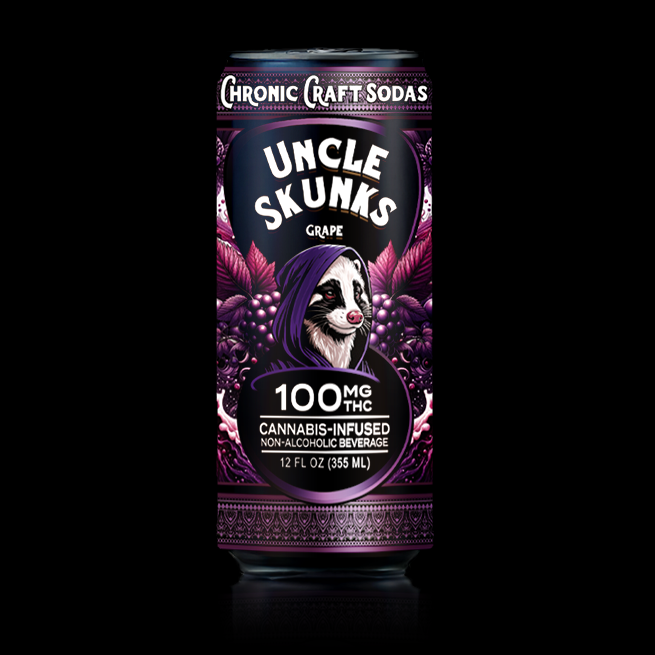
THC beverages, particularly those produced at commercial scale with consistent emulsification processes, offer better dose-per-serving consistency. A 10mg Uncle Skunks shot is 10mg with a high degree of reliability. A 100mg Chronic Craft Soda contains that 100mg in a liquid that can be consumed in portions, giving the drinker the ability to titrate across the evening in a way that eating half a gummy rarely allows.
This controllability is one of the most practically important advantages of the beverage format for anyone who wants to incorporate THC into a daily lifestyle without unpredictability.
Lifestyle Fit: When Edibles Work and When Drinks Win
Edibles still have legitimate use cases. They're shelf-stable for longer periods, often more calorie-dense (relevant for people using THC to address appetite), and for some people the slow, extended release of a solid edible is preferable to the faster, more finite arc of a beverage.
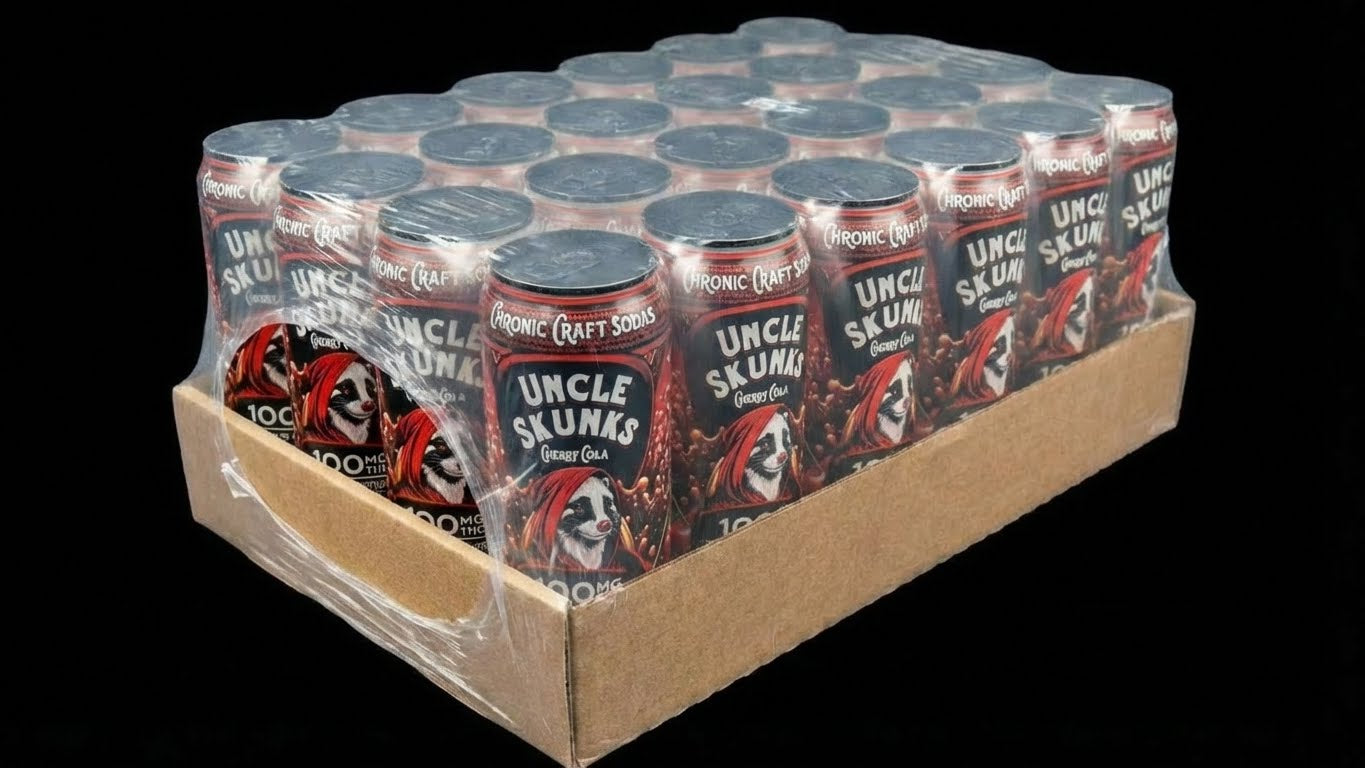
THC drinks win on lifestyle integration. A can of Uncle Skunks Cherry Cola on a Friday evening looks like a normal person having a soda. It doesn't require concealment, doesn't raise eyebrows, and doesn't create a social situation around "I'm eating a cannabis product." For adults who want to incorporate cannabis into daily routines without it becoming a performance or a conversation topic, the beverage format is simply more frictionless.
The lifestyle angle — when to reach for a THC drink based on your situation — is explored in depth in the Uncle Skunks guide on best occasions for THC soda, which covers everything from weekend relaxation to creative work sessions.
Caloric and Ingredient Considerations
Traditional cannabis edibles — gummies, chocolates, baked goods — carry the caloric and ingredient profile of the food products they're built on. A THC brownie is a brownie. A cannabis gummy typically contains sugar, glucose syrup, and a list of additives. For people managing sugar intake, dietary restrictions, or caloric budgets, these are real constraints.
THC sodas and shots tend to have lighter ingredient profiles by comparison. The Uncle Skunks Chronic Craft Soda lineup is built on a craft soda base rather than a candy or baked good one, which means a different (and for many people, more manageable) nutritional footprint. For anyone tracking what they consume as part of a broader wellness or fitness regimen, the soda or shot format integrates more cleanly than a daily THC chocolate.
The Social and Discretion Factor
This is where beverages have a clear and meaningful advantage. Consuming a cannabis edible in a group setting requires either explicit disclosure or careful concealment — neither of which is entirely comfortable. Pulling out a THC gummy at a work happy hour and eating it is a social moment that most people would prefer to avoid.
A THC-infused soda in a can that looks like any other craft beverage is a non-event. The person next to you doesn't know whether your Dr. Pepé is infused or not, which gives you complete control over when and whether to disclose. For many adults — particularly those in professional environments or social settings where cannabis stigma still exists — this discretion factor is enormously valuable.
Price, Portability, and Daily Habit Formation
Cannabis gummies are generally cost-competitive with beverages on a per-mg basis, but the comparison changes when you factor in convenience, consistency, and daily habit formation. A daily ritual built around a specific, familiar product format is more likely to be maintained than one requiring you to reach for an unmarked gummy container and estimate your dose.
The 2oz shot format in the Uncle Skunks lineup is particularly well-suited for daily habit formation — small, pocketable, precisely dosed, and available in consistent flavors. Build your own bundle to create a weekly supply of your preferred flavors and doses without having to reorder constantly.
For anyone building a consistent cannabis routine — whether for evening relaxation, daytime microdosing, or social use — the beverage format's repeatability gives it a structural advantage over edibles that varies unpredictably in experience.
Choosing Based on Your Specific Use Case
The honest answer is that neither format is universally superior. The right choice depends on your goals, your lifestyle context, and your personal response to THC.
Choose edibles if: you want long-duration effects, you're primarily using at home in private, you prefer a chewable format, or you're using higher doses in a controlled, experienced context.
Choose THC drinks if: you want predictable onset and offset, you value daily lifestyle integration, you consume socially or in varied settings, you want better dose control and titration ability, or you're managing caloric and ingredient quality alongside your THC routine.
For anyone navigating their first steps into cannabis beverages, the Uncle Skunks experience level guide provides a practical framework for starting at the right dose regardless of which format you come from.
Conclusion — Right Tool, Right Moment
Cannabis has more delivery formats than ever, and the right one isn't the same for everyone or every occasion. But for daily lifestyle integration, social flexibility, dosing precision, and clean ingredient profiles, THC beverages have earned their place as the format that fits most naturally into how modern adults actually live. Shop Uncle Skunks by strength to find the dose that fits your daily routine — and leave the guess-and-wait edible experience behind.
FAQs
Do THC drinks hit faster than edibles?
Yes. THC beverages typically produce effects in 15–45 minutes, while traditional edibles can take 45 minutes to 2 hours. The difference is rooted in how liquids are absorbed relative to solid food, and is amplified further in products using nano-emulsified THC.
Are THC drinks stronger than edibles at the same mg?
Not necessarily stronger, but potentially more consistent. Both produce 11-hydroxy-THC via the liver. The faster onset of beverages means less guesswork and fewer overconsumption incidents from impatient redosing.
Can I switch between edibles and THC drinks without tolerance issues?
Yes. Tolerance to THC is generally format-agnostic — it builds based on total THC consumed over time, not the delivery method. Switching formats does not reset tolerance.
Which is better for sleep: a THC drink or an edible?
For sleep specifically, the longer duration of traditional edibles can be advantageous — the extended release may better cover a full sleep cycle. However, the dosing unpredictability of edibles is a real drawback. A precisely dosed THC beverage at 25mg consumed 60–90 minutes before bed is a practical and reliable alternative.
Are THC drinks healthier than edibles?
Neither is a health product in the traditional sense. However, THC drinks can have cleaner ingredient profiles than sugar-heavy edibles, and the format lends itself better to controlled, intentional use — which is the most meaningful health variable in any cannabis consumption routine.